Blog

Press Release | Ballyhoura and Galtee Peatlands
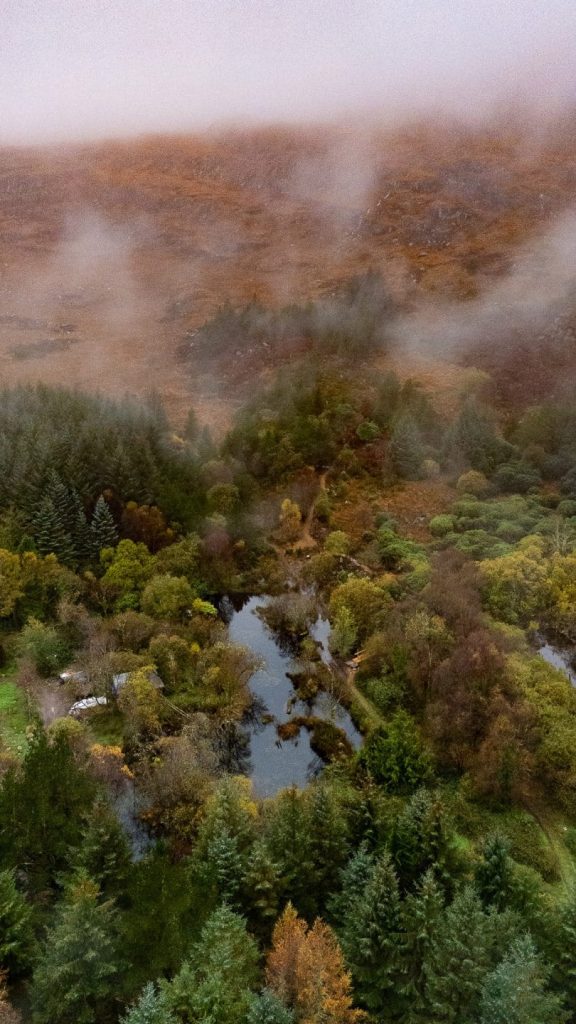
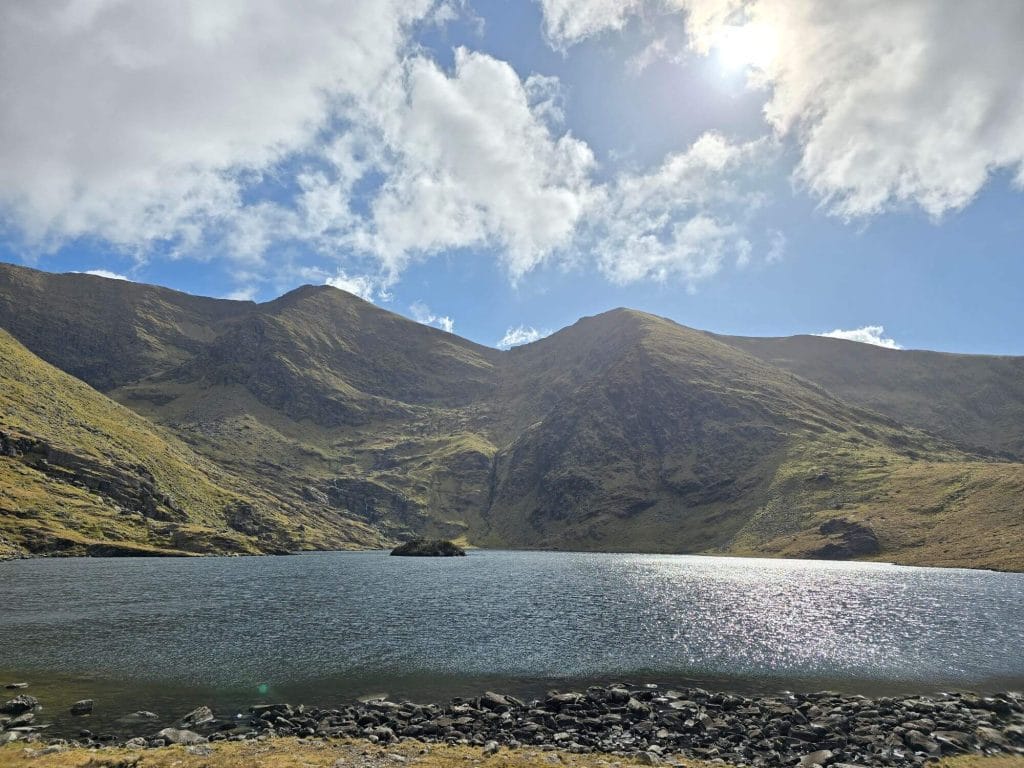
PRESS RELEASE Cork, Ireland Creative Communities Shine a Light on the Ballyhoura & Galtee Peatlands Community workshops will gather local stories and knowledge to create a collaborative exhibition, which will be unveiled at the project’s launch event! People living in and around the Ballyhoura and Galtee Mountains are being invited to take part in a…

The New EU Nature Restoration Law: A Landmark Step Towards Regenerating Our Ecosystems
The EU Nature Restoration Law (NRL) is the most ambitious legislative effort in Europe in over 30 years to regenerate degraded natural systems. As we face escalating crises in food security, health, and climate resilience, this groundbreaking law offers a pathway to restore biodiversity and ensure a sustainable future for both people and nature. Why…

The Unarmed Stick Insect
The routes of introduction of non-native species into the island of Ireland are many, with the vast majority of those in the past 200 years being mediated by human activities. Some instances have been accidental, and the happenstance of their presence have been as surprising as the species themselves. One such example is the Unarmed…

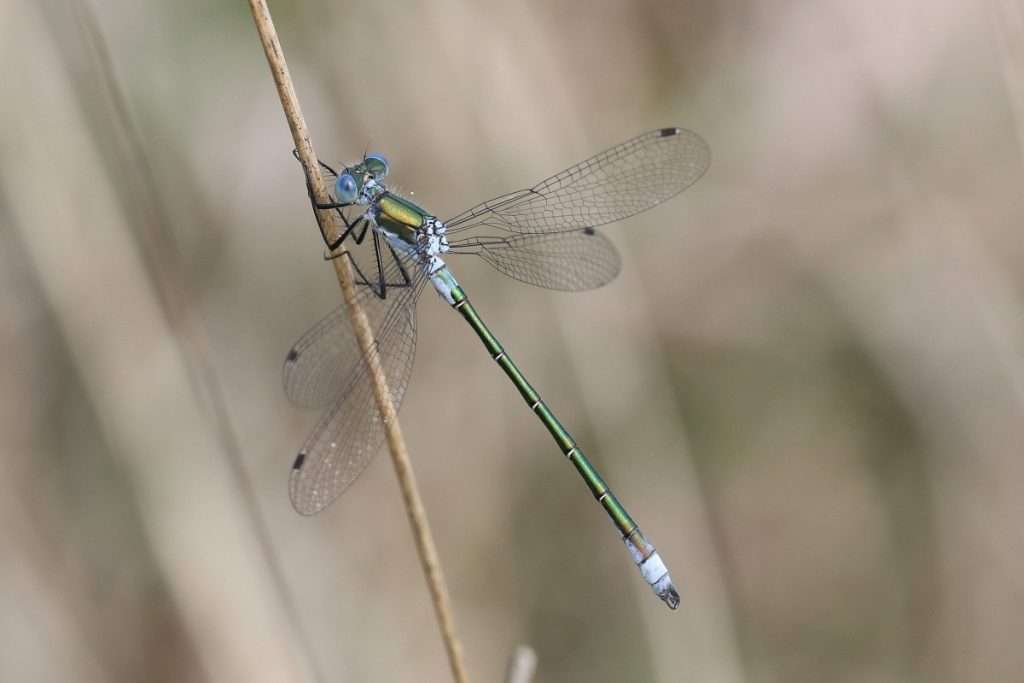
Dragonflies
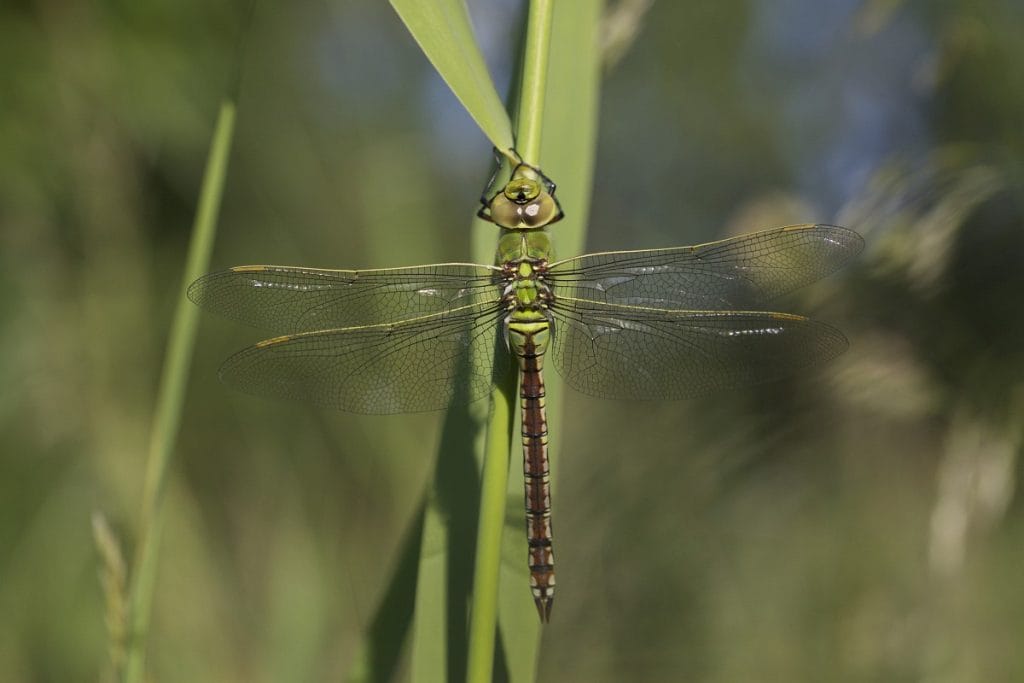
The word “Dragonfly” is a wide term used for insects in the order Odonata, which encompasses both the Damselflies and Dragonflies. True Dragonflies have their own distinct suborder Anisoptera (meaning “unequal wings”). Odonates are considered an ancient insect group; fossil records date back to the Triassic period approx. 252 million years ago! The distribution of…
Rare Micromoth Species Discovered in East Cork: A First for Ireland
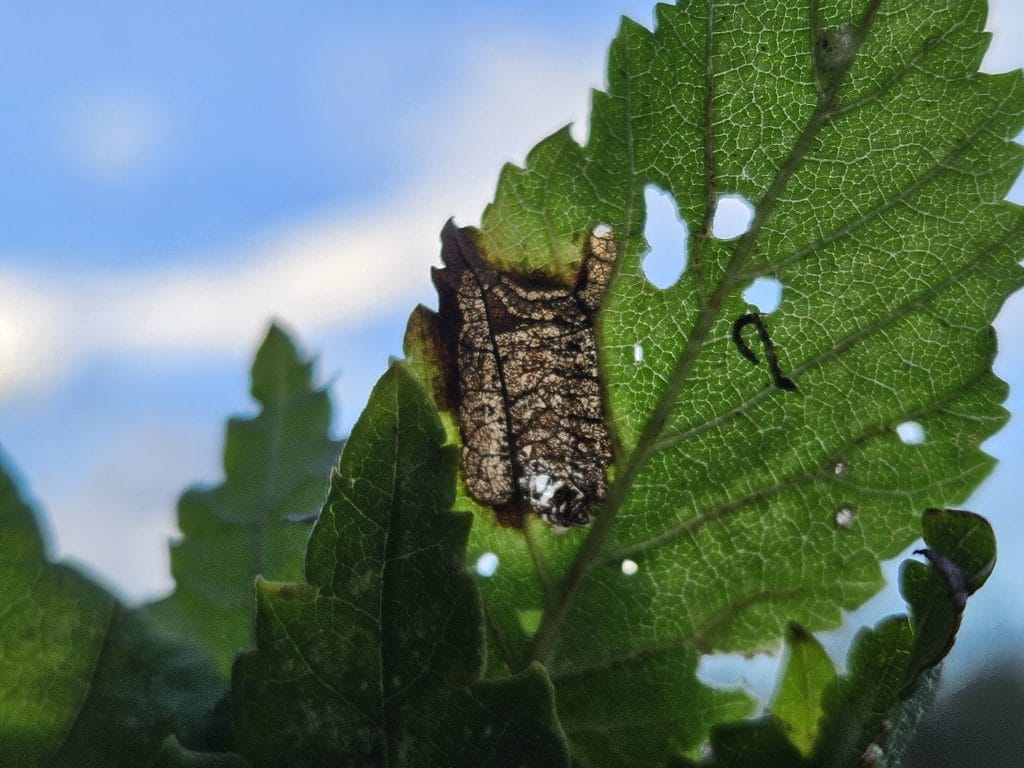
In a significant milestone for Irish biodiversity, the elm leaf-mining micromoth, Stigmella viscerella, has been documented in Ireland for the first time. This important discovery was made in October near Carrigtwohill, Co. Cork by John Emmet O’Sullivan, Project Manager of Nature Network Ireland’s Valuing Insects initiative. Six distinctive, coiled mines created by this micromoth caterpillar…

The Hen Harrier
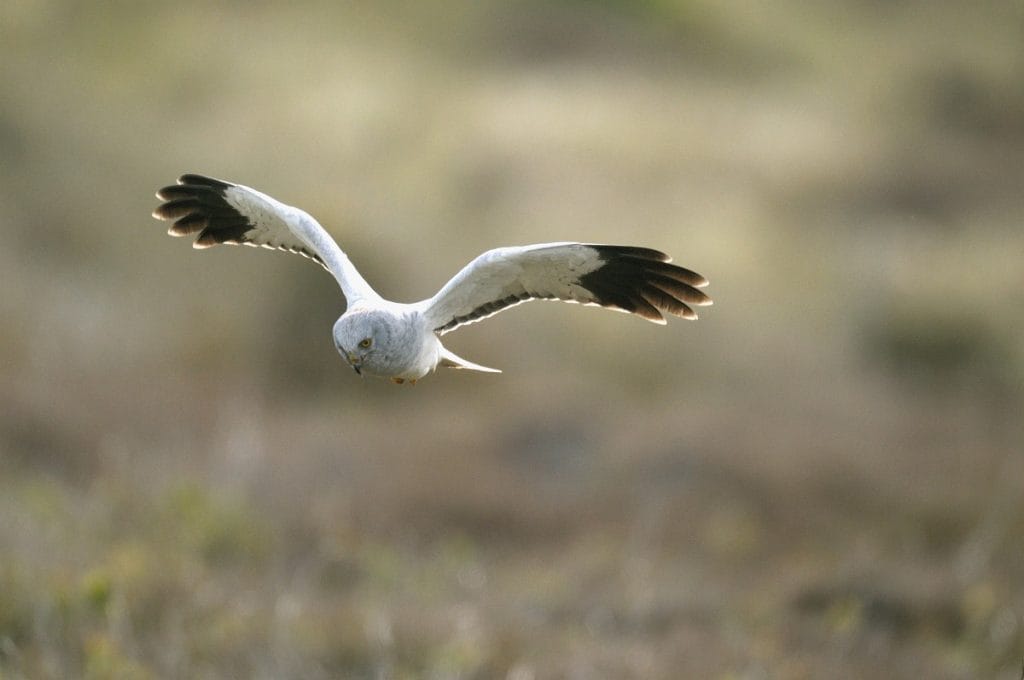
The Hen Harrier (Circus cyaneus) is Ireland rarest raptor but also its most spectacular. Known as Cromán na gCearc in Irish, these birds are protected in Ireland. Ireland is home to the most westerly population of these raptors with over 60% of the population being within the counties of Munster. Females are larger than males.…
Where Do Insects Go in Winter?
Winter transforms the natural world, bringing cooler temperatures and a noticeable decline in the buzzing of insects. But have you ever wondered where these tiny creatures disappear to during the colder months? Not all insects make it through the winter. Many die, but many do persist, either as adults, eggs or larvae and to do…
Insect of the Week: The Figwort Weevil
The wonderfully patterned Figwort Weevil (Cionus scrophulariae) is a fairly common but shy animal in Ireland that can be found on plants of the family Scrophulariaceae. The larvae may also be seen here, covered with a shiny, sticky substance. This is a diffuse peritrophic membrane that acts as a deterrent to any potential predators. Production of this…

Ireland’s First Marine National Park: Páirc Náisiúnta na Mara, Co. Kerry
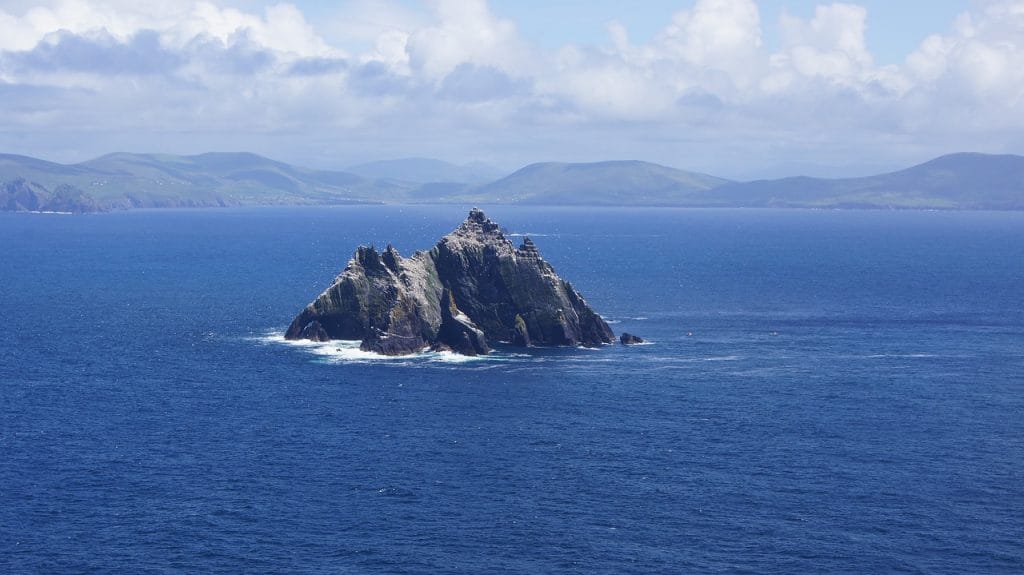
Páirc Náisiúnta na Mara, Ciarraí, or Kerry Seas National Park, was announced in April 2024 as Ireland’s seventh National Park, and the very first one that has been deemed exclusively marine. This joins the existing network of National Parks in Ireland, which already contains the Burren, Connemara, Glenveagh, Killarney, Wicklow Mountains, and Wild Nephin National…
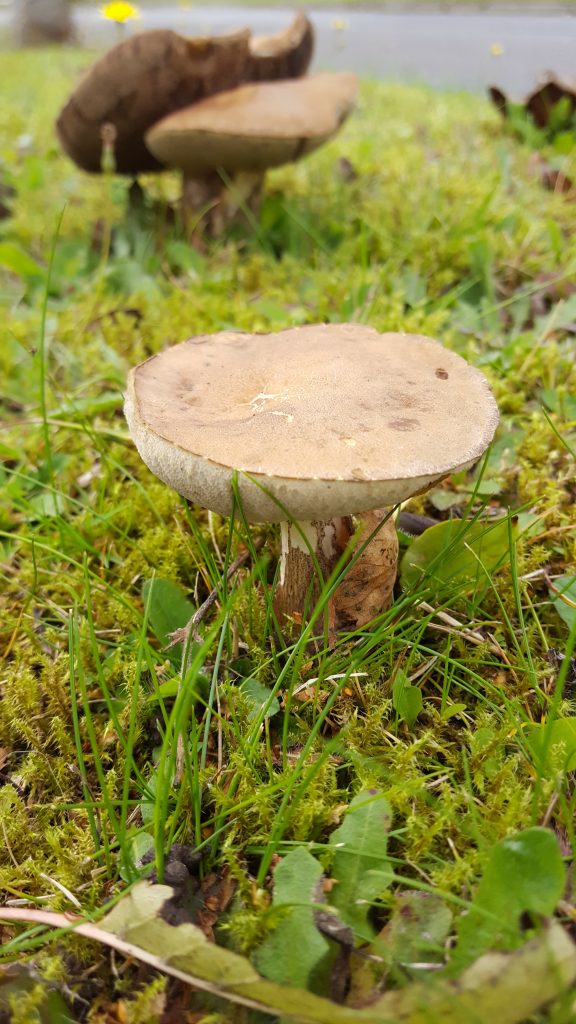
The Birch Bolete Mushroom
Probably the largest source of fungal diversity is soil. However, fungi do not have this all to themselves, and therefore have developed a myriad of relationships with their fellow soil dwellers. One of the most successful of these are the ectomycorrhizal associations that some fungi develop with some plants. Here, plant feeder roots and fungal…

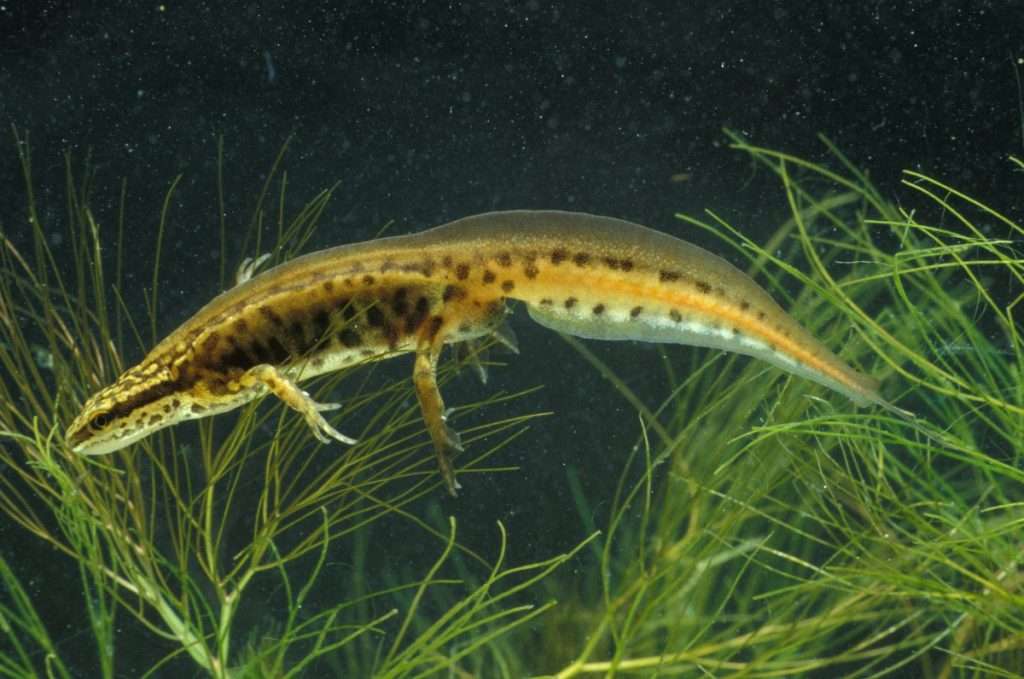
The Palmate Newt
The palmate newt (Lissotriton helveticus) is an amphibian belonging to the family Salamandridae, which includes both newts and true salamanders. There are over 60 known species of newts around the world [3]. Three species are native to the UK, the palmate newt included [1]. Up until recently, the smooth newt (Lissotriton vulgaris) was the only…
‘The Little Things that run the world’: Ireland’s insect decline and an urgent call for action
Insects are the most diverse group of animals on the planet. With an estimated 5.5 million species, they play essential roles in the functioning of ecosystems. From recycling nutrients to ensuring crop pollination and biological pest control1, these invertebrates also constitute vital food sources for numerous vertebrates and are crucial to the survival of most…