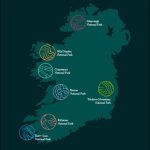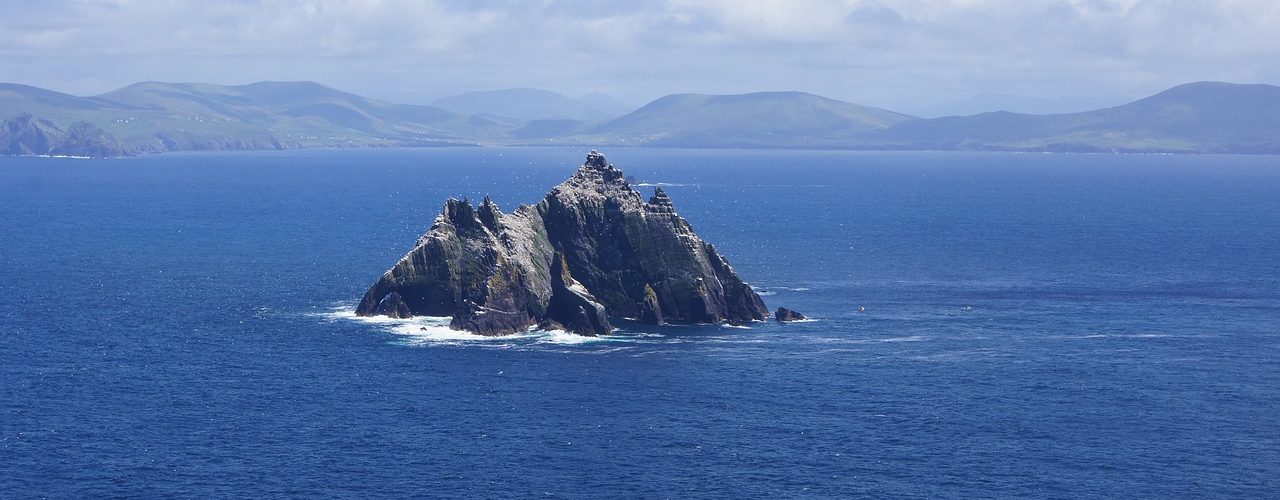
Páirc Náisiúnta na Mara, Ciarraí, or Kerry Seas National Park, was announced in April 2024 as Ireland’s seventh National Park, and the very first one that has been deemed exclusively marine. This joins the existing network of National Parks in Ireland, which already contains the Burren, Connemara, Glenveagh, Killarney, Wicklow Mountains, and Wild Nephin National Parks. These are scattered throughout various locations across the country.
The concept of a National Park came about in 1969 by the International Union for the Conservation of Nature (IUCN). This was an agreement that governments were to designate ‘National Park’ status to sites of importance that possess a set of specific characteristics. Such characteristics include sites having important ecosystems that have been unaltered by human activity, and where habitats as well as the plant and animal species contained within them are of special scientific, educational, or recreational interest. In addition, the highest competent authority must be taking action and putting measures in place to avoid exploitation of the site in question. In Ireland, it is the policy of the Department of Housing, Local Government and Heritage that has been endorsed by successive governments over time. This abides by the criteria and standards for National Parks as set by the IUCN.
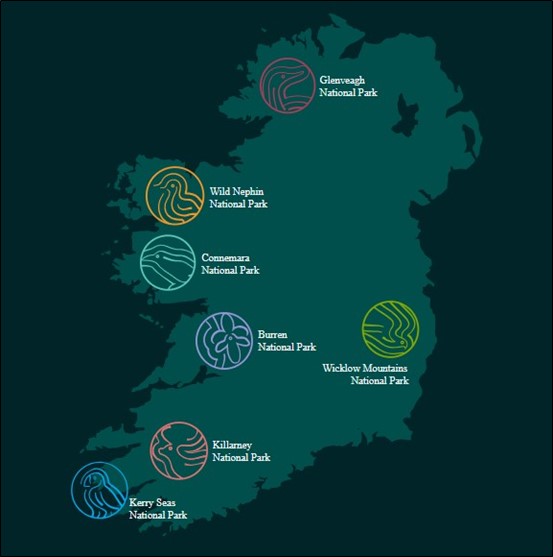
The main purpose of designating the Kerry Seas as a National Park in Ireland is for the protection of biodiversity and local heritage.
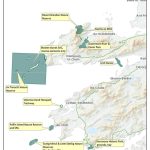
The Kerry Seas National Park encompasses sites on the southwest of Ireland on the Corca Dhuibhne peninsula, where it covers over 700,000 acres on both land as well as off the coast of Co. Kerry. The Park incudes 1,400 acres of land and forestry which lies on the well-known Conor Pass. Additionally, the Kerry Seas National Park includes Mount Brandon, the sand dunes at Inch Beach, and Sceilg Michíl which is a UNESCO World Heritage Site. The National Park also contains the islands off the Kerry coast, along with marine reefs, nearby coastal sites and surrounding marine waters, all of which are of international significance for nature and biodiversity. Additionally, Kerry Seas National Park contains Ireland’s only Hope Spot, the Greater Skellig Coast. Hope Spots are areas identified as being critical for the for the health of the ocean. The Greater Skellig Coast covers approximately 7,000 km2 of Irish waters and is an important habitat for endangered sharks and seabird colonies, to name a few.
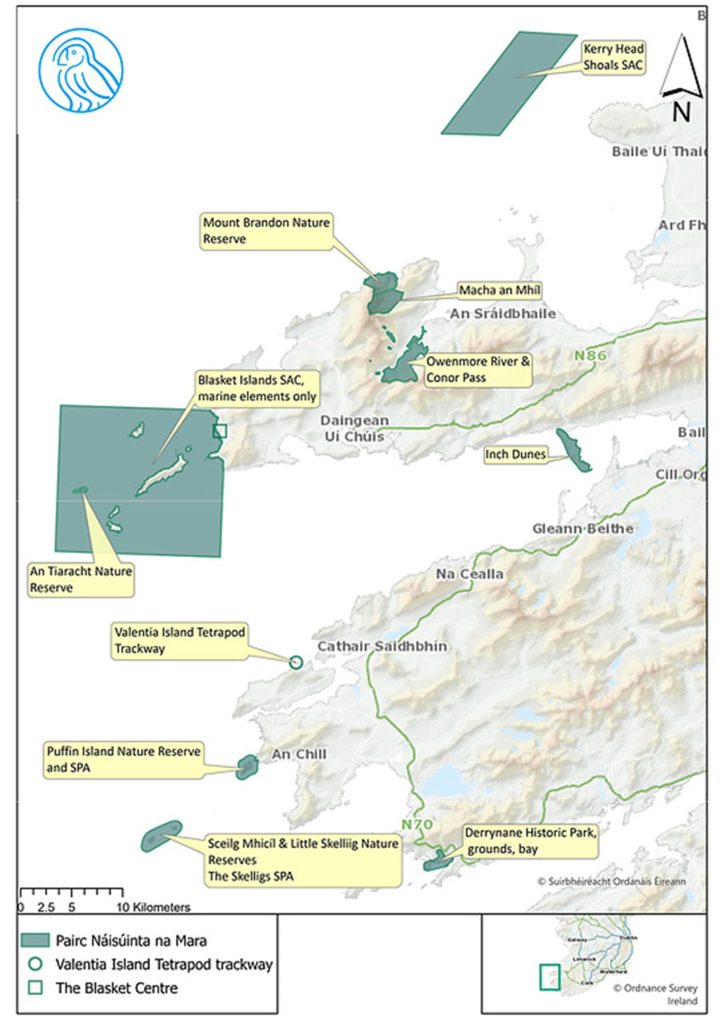
With regard to the statutory protection of National Parks in Ireland, the principal legislation, providing for the protection of wildlife and the control of activities that may negatively impact wildlife is the Wildlife Act 1976 (as amended). As mentioned, the Kerry Seas National Park is designated for a variety of geographical features, as well its habitats and diverse range of species that inhabit them. These range from seabirds, to wintering water birds, and cetaceans. Kerry Seas National Park is a significant habitat for many seabird colonies which includes species such as puffins, storm petrels and Manx shearwaters.
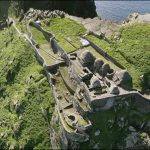
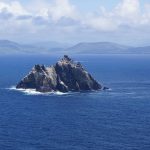
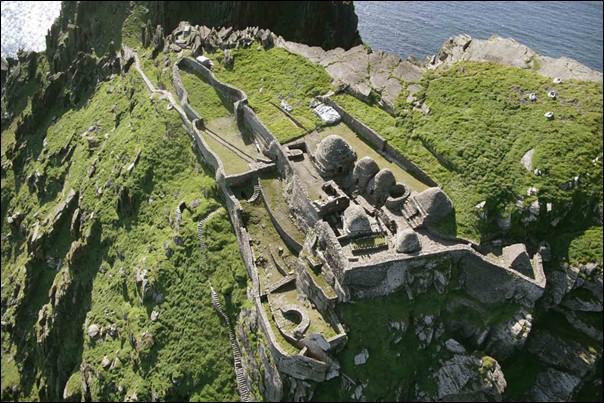
As well as being important for biodiversity, sites within Kerry Seas National Park are also of significance for language, literature, folklore, and cultural heritage. For example, Sceilg Michíl is a UNESCO World Heritage Site and ancient monastic settlement off the coast of Kerry. Additionally, it has become home to important seabird colonies which include puffins and gannets.
Additional significant heritage sites within the Kerry Seas National Park include the Valentia Tetrapod Trackway from the Devonian Period containing imprints of early animals. Others include shipwrecks and various archaeological monuments.
Kerry Seas National Park lies in an area which has previously been identified as an area of interest by the environmental coalition for Marine Protected Areas (MPAs). The EU Biodiversity Strategy has called for 30% of EU waters are to be protected in the form of a MPA by the year 2030.