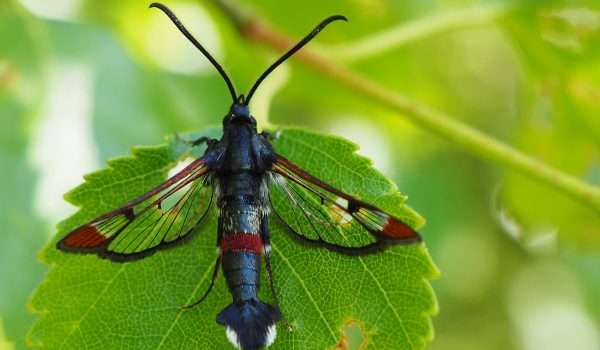
The routes of introduction of non-native species into the island of Ireland are many, with the vast majority of those in the past 200 years being mediated by human activities. Some instances have been accidental, and the happenstance of their presence have been as surprising as the species themselves. One such example is the Unarmed […]
The word “Dragonfly” is a wide term used for insects in the order Odonata, which encompasses both the Damselflies and Dragonflies. True Dragonflies have their own distinct suborder Anisoptera (meaning “unequal wings”). Odonates are considered an ancient insect group; fossil records date back to the Triassic period approx. 252 million years ago! The distribution of […]
In a significant milestone for Irish biodiversity, the elm leaf-mining micromoth, Stigmella viscerella, has been documented in Ireland for the first time. This important discovery was made in October near Carrigtwohill, Co. Cork by John Emmet O’Sullivan, Project Manager of Nature Network Ireland’s Valuing Insects initiative. Six distinctive, coiled mines created by this micromoth caterpillar […]
Winter transforms the natural world, bringing cooler temperatures and a noticeable decline in the buzzing of insects. But have you ever wondered where these tiny creatures disappear to during the colder months? Not all insects make it through the winter. Many die, but many do persist, either as adults, eggs or larvae and to do […]
The wonderfully patterned Figwort Weevil (Cionus scrophulariae) is a fairly common but shy animal in Ireland that can be found on plants of the family Scrophulariaceae. The larvae may also be seen here, covered with a shiny, sticky substance. This is a diffuse peritrophic membrane that acts as a deterrent to any potential predators. Production of this […]
Insects are the most diverse group of animals on the planet. With an estimated 5.5 million species, they play essential roles in the functioning of ecosystems. From recycling nutrients to ensuring crop pollination and biological pest control1, these invertebrates also constitute vital food sources for numerous vertebrates and are crucial to the survival of most […]
Acknowledgements This survey was funded by the National Parks and Wildlife Service, Biodiversity RecordersGrant. Nature Network Ireland would like to thank the National Parks and Wildlife Service for theopportunity to run this survey. Thank you also to John Deasey, Emily Mangan, Sean Bourke,Karl Woods and Melanie Mangan for their support and assisting with the surveys. […]
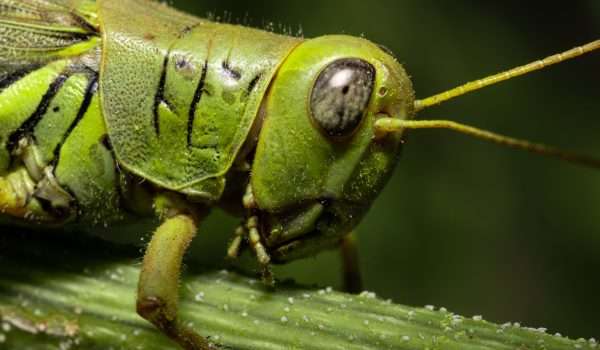
On a warm and dry day, the rhythmic ‘chirps’ of grasshoppers can be a familiar sound from Irish grasslands, meadows or roadsides. The ‘songs’ that these insects produce are a fundamental aspect of the Irish summer and an essential part of the ecosystem functioning. As an example, the Common Green Grasshopper (Omocestus viridulus) is one […]
Image Credits
Grasshopper. Stock photo
Common Green Grasshopper. Credit: Paul Westrich
Cricket. Stock photo
Do you want to find out more?
If you want to find out more, contact us today and we will be more than happy to help.