The Hidden Insects of Pellitory-of-the-Wall
Insects are all around us, all the time, but often make a point of not being too conspicuous. Two such species hide in plain sight on a plant very common in cities and towns on the island of Ireland. Pellitory-of-the-Wall is found growing between cracks and crevices on many walls and buildings, especially in urban centres in Ireland. It is a member of the nettle family and lacks the sting characteristic of its close relatives. It does have small, discrete flowers like other members of the family which produce copious amounts of pollen, which can cause allergic reactions, including asthma.
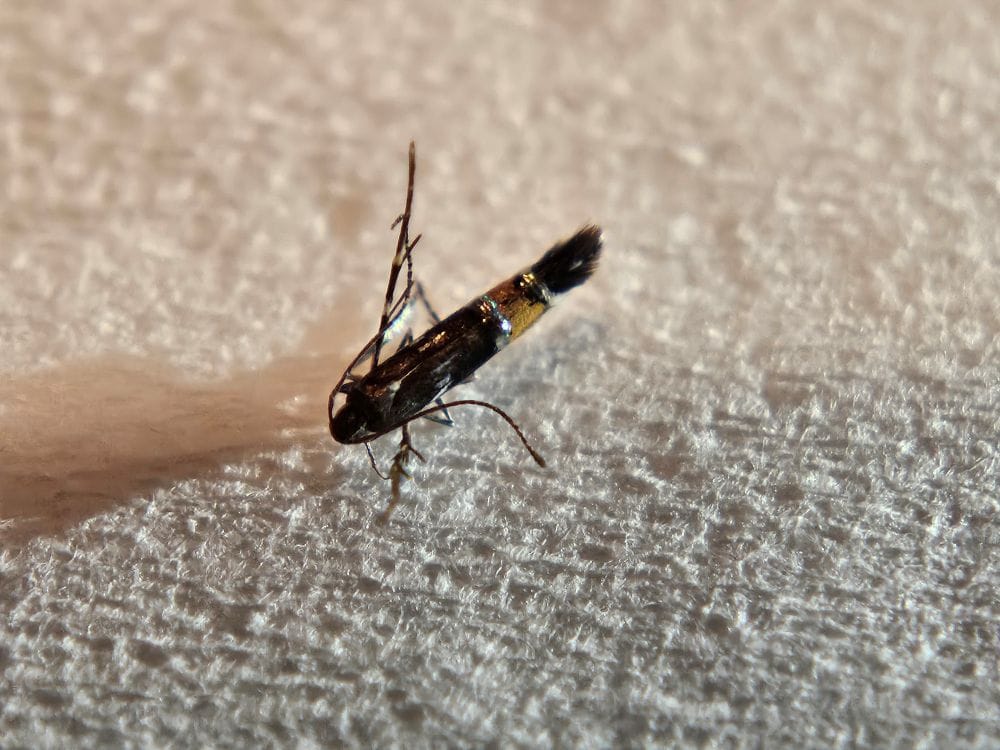
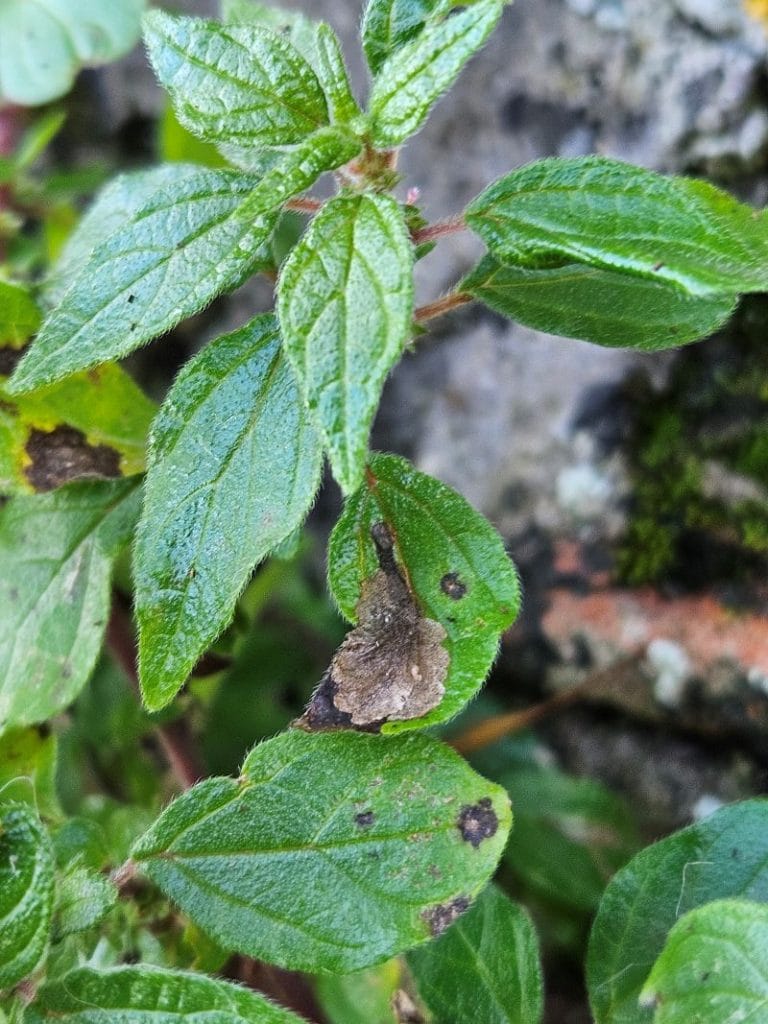
It acts as a food plant for the larvae of some conspicuous butterfly species, such as the Red Admiral, but there are two very much overlooked species whose life cycles are intimately linked with Pellitory-of-the-Wall. The larvae of the tiny moth, Cosmopterix pulchrimella, also use it as a food plant, but in a very different way to the other butterflies which feed on it. The caterpillars mine the leaves, feeding between the upper and lower layers, creating a blotch mine which appears as a grey or brown patch on the leaf, growing as the larva continues to feed. Pupation is within the leaf mine and when the adults do emerge, they are tiny but beautiful moths, with a wingspan of 3 mm and banded black, silver and orange wings. Cosmopterix pulchrimella was only discovered in Ireland in 2024 in Cobh, with the NNI Valuing Insects initiative finding it also well established in Cork city centre.
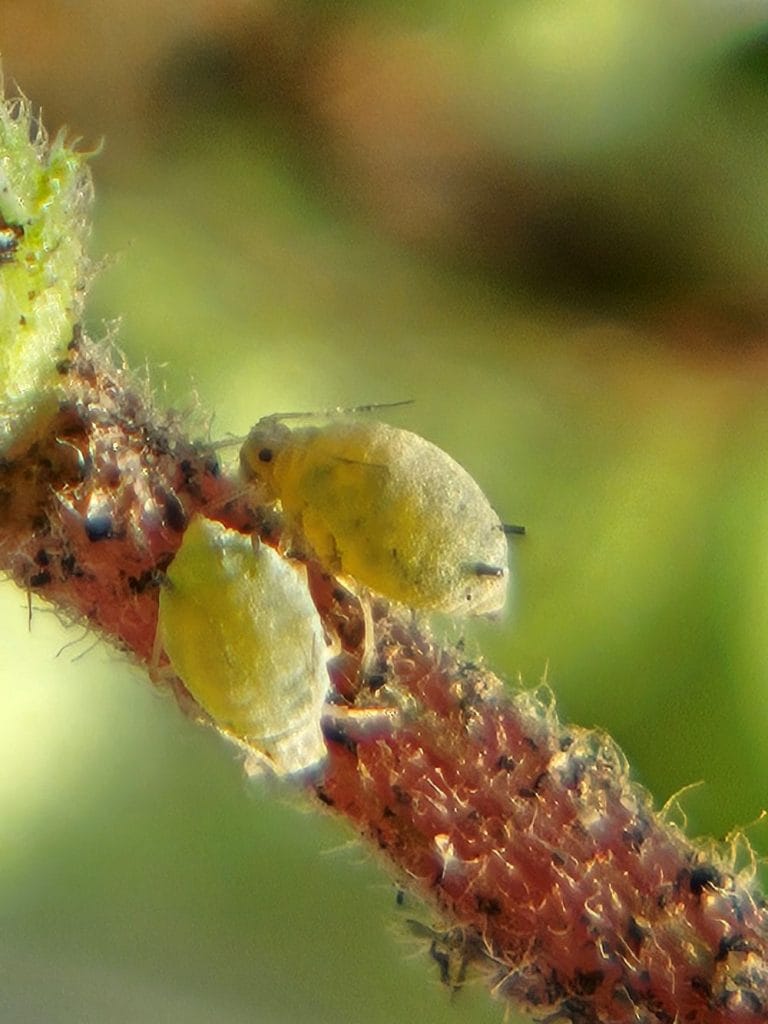
An even smaller insect also has its home on Pellitory-of-the-Wall. The aphid Aphis parietariae grows to a maximum size of 1.7 mm. Unlike some species of aphid which carry out host alternation (that is, regular movement between two distantly related host plant species), Aphis parietariae stays on Pellitory-of-the-Wall all year round. Adults will feed, as all aphids do, by using their syringe-like mouthparts to suck out plant sap. Also, as with most aphids, the primary method of reproduction is by parthenogenesis, where females produce live offspring without the need for mating. When conditions become unsuitable for growth in the winter, eggs are laid which overwinter on the plants. Individuals range in colour from light to dark, mottled green. This species has just this year been recorded for the first time in Ireland, similarly to Cosmopterix pulchrimella. However, while the moth’s discovery here is due to it expanding its range across Europe, Aphis parietariae is likely to have been overlooked and has probably been established here for quite some time.