Acknowledgements This survey was funded by the National Parks and Wildlife Service, Biodiversity RecordersGrant. Nature Network Ireland would like to thank the National Parks and Wildlife Service for theopportunity to run this survey. Thank you also to John Deasey, Emily Mangan, Sean Bourke,Karl Woods and Melanie Mangan for their support and assisting with the surveys. […]
Nature and biodiversity are intrinsically linked. Protecting and restoring the biodiversity of living species, including animals, plants, bacteria and fungi, many threatened with extinction due to human activities that disturb and/or destroy ecosystems, is of critical importance. Pollution, climate change and population growth are all threats to biodiversity.
All species have an important and specific role in sustaining an ecological balance. Without biodiversity our environment would become unstable, having a catastrophic effect on our survival.
Conservation efforts are necessary to preserve biodiversity and protect endangered species and their habitats.
The intention of this section is to provide insight into our wildlife, its habitats and biodiversity – do keep checking in regularly to find the latest insights and information. If you have any suggestions on topics you would like covered, we would love to hear from you.
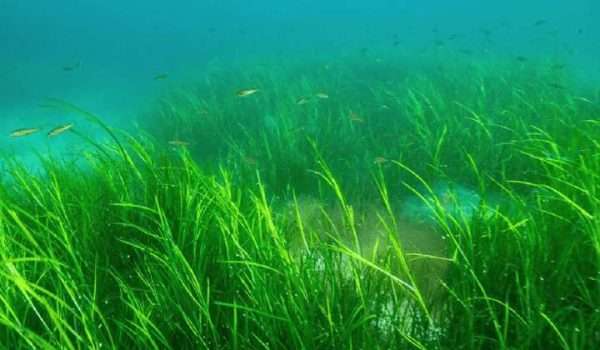
As the world becomes more sensitive to the impact humans have on the environment, governments across the globe are setting aside areas of habitat to allow nature to thrive unaffected by human influence. One such habitat is the ocean which has been impacted by overfishing, trawling, pollution, deep-sea mining and much more. A well-known fact […]
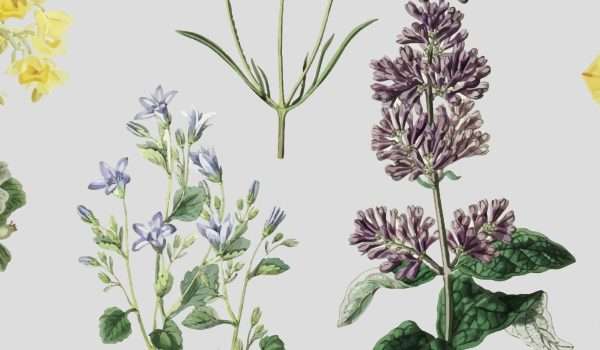
Born on 17th March 1785 in Ballylickey, a small village located in a sheltered bay off the west coast of Ireland near Bantry, Ellen was a force who exerted herself with zeal and enthusiasm in identifying plant specimens in the area. At the time, Bantry was isolated with little in the way of experts to […]
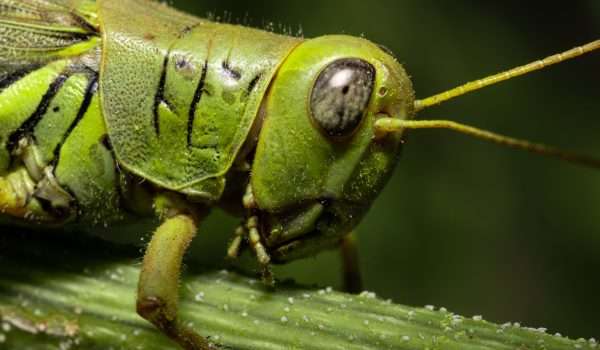
On a warm and dry day, the rhythmic ‘chirps’ of grasshoppers can be a familiar sound from Irish grasslands, meadows or roadsides. The ‘songs’ that these insects produce are a fundamental aspect of the Irish summer and an essential part of the ecosystem functioning. As an example, the Common Green Grasshopper (Omocestus viridulus) is one […]
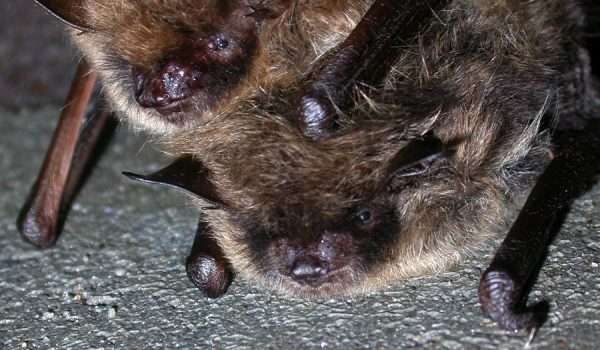
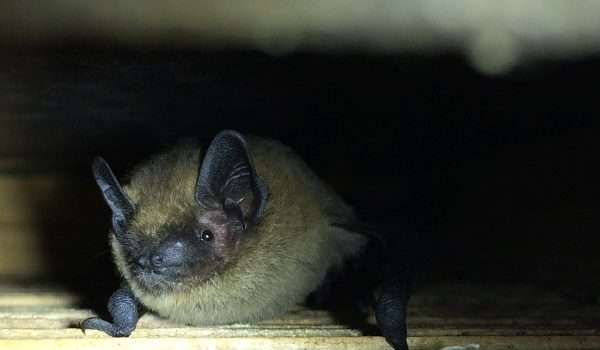
Bats are the only mammals with true, powered flight. Unlike the gliding flight of flying squirrels and lemurs, bats use their wings for active flight. Like other mammals, bats are warm blooded (endothermic), covered in fur and feed their newborn offspring with milk. Ecology There is a huge diversity of bat species worldwide, with up to 1,400 […]
Bats are one of the most diverse groups of mammals on the planet. There are over 1,400 species currently known and found all over the world, except for the Arctic, Antarctic and a few Oceanic islands. Bats are an extremely diverse group with a wide range of feeding habits, including species which specialise in eating […]
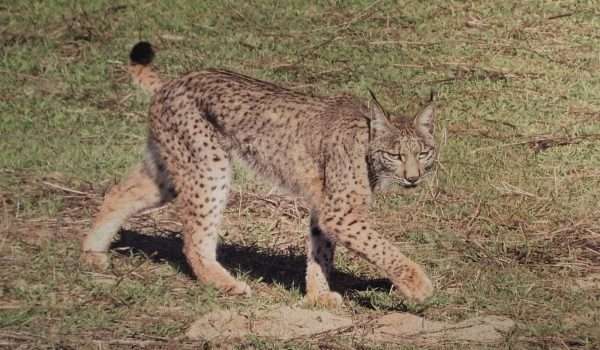
The Iberian Lynx is one of the most elusive wild cats in the world. Unfortunately, it is also the most endangered. However, ongoing conservation work has resulted in the species being downgraded from a ‘Critically Endangered’ status to ‘Endangered’ in 2015 (2). The population of the Iberian Lynx worldwide based on the latest estimates as […]
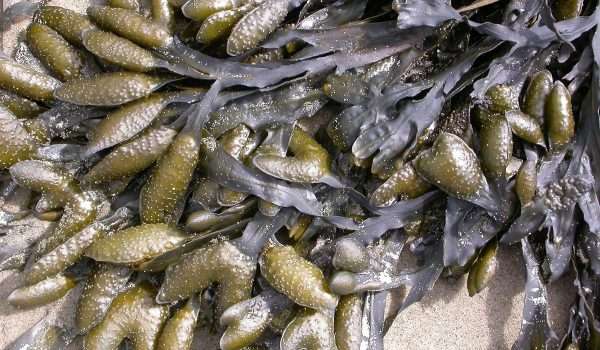
Seaweeds have high value both ecologically and economically. Which ones can be found in Ireland? What are Seaweeds? The word ‘seaweed’ is a collective term for macroscopic marine algae that belongs to three groups: Rhodophyta (red seaweed), Chlorophyta (green seaweed) and Phaeophyta (brown seaweed), which live on seashores and in shallow seas throughout the world. Seaweeds have a high value both […]
Posts pagination
Image Credits
Fucus spiralis. Credit: Saxifraga-Peter Meininger
Kelp. Stock photo
Red Algae. Stock photo
Do you want to find out more?
If you want to find out more, contact us today and we will be more than happy to help.